An Sean Phobal
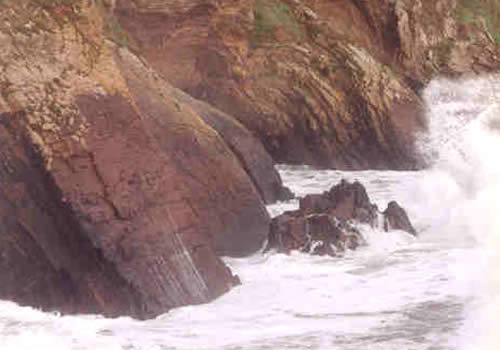 An
Sean Phobal - An Paróiste is sinne in Éirinn. An
Sean Phobal - An Paróiste is sinne in Éirinn.
Roimh an Ghorta i
lár an naoú chéad déag bhí daonra i
bhfad níos mó sa tSean Phobal ná mar atá anois
ann. Is ionann Gaeltacht na nDéise agus paróistí
na Rinne agus an tSean Phobail. Suite ocht mile ó bhaile Dhun Garbhán
is paróiste mór fairsing é An Sean Phobal, tuairim
is 14 mhíle cearnach le 5 mhíle de chósta. Tá
an chósta álainn, chorraitheach seo déanta suas as
aillte (thimpeall 70 meadar ar airde), altáin agus bánna
beaga. Tugann an féar ar bharr na haillte baile d’éanlaithe
an fharraige. Is áit iontach é an Sean Phobal d’éaneolaithe
agus do dhaoine le suim acu sa dúlra agus timpeallacht.
Is é an Teach Solais an gné saorga is mó sa cheantar,
tá an fharraige anseo an-gharbh agus deirtear go bhfuil níos
mó ná long bhriste amháin amach ón gcósta.
Ach tá foirgneamh eile ann atá i bhfad níos sinne
ná an Teach Solais – is é sin an Carn meigiliotach
réamh-Cheilteach a tógadh 4,000 bliana ó shin. Is
é an t-aon sampla dá chuid i gContae Phort Láirge.
Nuair a chíonn cuairteoir an radharc aoibhinn ó bharr na
haille amach chomh fada le Teach
Solais Hook Head agus Oirthear Phort Láirge ní haon
ionadh gur roghnaíodh an áit seo mar ionad don Charn.
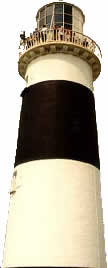 Teach
Solais Cheann Mionáird Teach
Solais Cheann Mionáird
Is é George Halpin Senior a dhearaigh an solas is mó ar
Cheann Mionáird. Tá an fhoirgneamh seo, atá déanta
as gaineamhchloch dearg, suite ar bharr aille an tSean Phobail agus tá
sé níos airde ós cionn leibhéal na farraige
ná aon teach solais in Éirinn.
Chuir ceannaithe agus mairnéalaigh brú ar an Ballast Board
chun Teach Solais a thógaint ar Oileán Chéipeal amach
ó chósta Eochaille. Cuireadh tús leis an obair seo
cé gur cheap Halpin go mbeadh Ceann Mionáird níos
oiriúnaí mar ionad don solas. Bhi dul chun cinn maith déanta
ag na tógálaithe nuair a d’athraigh tuairim an phobail
agus beartaíodh ar an teach solais a thógaint ar Cheann
Mionáird. Tar éis an-chuid díospóireachta,
maille le hinchur ó Theach na Tríonóide agus An Aimiréalacht,
tréagadh an suíomh ar Oileán Chéipeal agus
cuireadh tús leis an obair ar Cheann Mionáird.
Bunaíodh an Teach Solais ar 1 Meitheamh 1851,an lá céanna
le Teach Solais Bhaile an Choitín.
Tá túr bán le banda dubh ag an Teach Solais –
cuireadh aibhléis isteach ann i Meán Fómhair 1964.
lasann an solas gach 2.5 soicind le réimse ocht mhíle fichid
toisc go bhfuil sé chomh ard ós cionn na farraige. Is é
an Coimisinéir Solais atá
i bhfeighil an Teach Solais, níl sé oscailte don phobail
agus níl aon chead isteach ann.
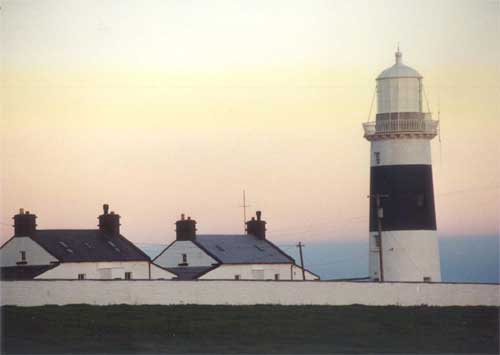
Teach Solais Cheann Mionáird
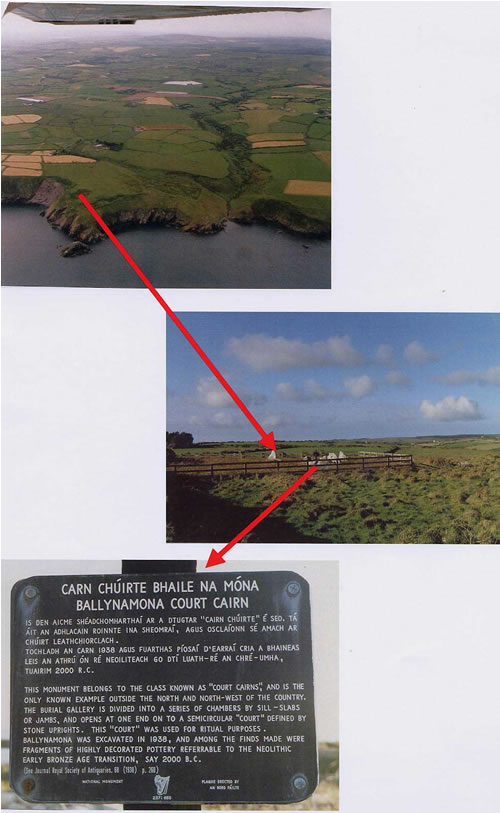
Carn Chúirte Bhaile Na Moná
Tá
ceann de na samplaí is luaithe in Éirinn de Charn Cúirte
le feiscint in aice leis an Teach Solais. Níl ach ceithre shampla
dá leithéad le fáil ó Dhún Dealgan
go Gaillimh. De ghnath bíonn clós ós comhair an bhealaigh
isteach go-dtí an seomra agus dá bhrí sin glaodh
Carn Chúirte orthu. Tá an Charn Chúirte i mBaile
na Móna sa tSean Phobail, glaotar an Chailleach Bhéarra
ar go háitiúil. Tá sé suite tuairim is míle
ón Teach Solais agus céad méadair ó imeall
na haille. Is mór an scéal atá le hinsint ag an dealbh
seo ach chun tuiscint níos fearr a d’fháilt ar a thábhacht
caithfear dul siar níos faide.
Go gairid tar éis deireadh an Ré Oighir, thimpeall 15,000
B.C., bhí fir ag taisteal ó áit go háit, ag
fiaich ainmhithe móra le húirlisí déanta as
clocha agus cnámha agus ag cur futhú i bpluaiseanna. Tá
an phéintéireacht álainn atá le feiscint sna
pluaiseanna in Altar Mira sa Spáinn agus i Lascaux na Fraince mar
fhianaise den saol seo. Is beag fianaise atá sa tír seo
den saol seo áfach.
Bhí go leor féar fliuch gan mórán plandaí
nó glasraí fágtha sa tír seo tar éis
cúlú na oighearsruthanna, de réir mar a d’eírigh
an aeráid níos teo bunaíodh tor agus sceacha agus
thimpeall na hama seo bhí fia ollmhór coitianta in Éirinn.
Cé nach bhfuil na fianna le feiscint sa tír níos
mó bhíodar fairsing ag an am sin toisc nach raibh áitritheoirí
móra eile ann chun tabhairt futhú agus iad a sheilg. Tá
sé ráite go dtánathas ar chnámha fia, réinfhia
agus béar in aice le Ceapach i gContae Phort Láirge. Glaofaí
Sean-Ré na gCloch ar an aois seo.
Faoin bhliain 6,000 BC gearradh Éire amach ó mhór-roinn
na hEorpa. De réir mar a d’eírigh an aeráid
níos teo agu níos teo d’athraigh an tírdhreach
go coillte dlúth agus foraíseacha. Bhí daoine tar
éis taisteal ó Chríovh Lochlann go-dtí An
Bhreatain agus Tuaisceart Éireann ach de bharr na foraíseacha
ní rabhadar in ann an oiread sin taisteal a dhéanamh. Íosadh
éanlaithe agus éisc don chuid is mó toisc nach raibh
spás i measc na crainn d’ainmhithe agus cosúil le capaill
agus fianna. Is beag cruthú nó rian dá stíl
bheatha a d’fhág daoine ón Ré Mheánach
na gCloch, seachas láithreán bruscar dá chuid ar
bhruach abhann agus locha i Ros Comáin, Luimneach agus Ceatharlach
ina raibh réimse beag úirlisí déanta as breochloch
agus clocha eile. Bhí athrú mór le teacht ar an sochaí
seo go luath nuair a bhí an duine, an sealgaire, ag iarraidh smacht
a d’fháilt ar an oidhreacht mórthimpeall air –
bhí na céad feirmeoirí ag obair cheana fhéin
sa Mheán Oirthear
Faoi 3,000 BC toisc borradh agus fás an dhaonra sa Mhean Oirthear
b’éigean dona daoine seo taisteal siar ó thuaidh go
mór-roinn na hEorpa Thógadar leo na scileanna nua a bhí
acu sa talmhaíocht, i bhfiadóireacht agus sníomh,
in obair le leathar, i bpotadóireacht, i ndéantús
úirlisí agus ciseáin. Tá sé ráite
gurbh iad na daoine seo a bhunaigh na tuamaí meigiliotach sa tír
seo, an tuam sa tSean Phobal san áireamh.
Tagann an focal meigiliotach ón nGréigis agus go liteartha
is é an bhrí atá leis ná “cloch mór”.
Is é an fhoirm is simplí den Charn atá ann ná
cloch thríchosach le cloch trasna ar bharr mar chaipín ar
a ghlaoití ‘dolmáin’. Cé go bhfuil dolmán
coitianta in Éirinn bíonn cuma dhramatúil orthu uaireanta,
tá sé ráite, mar shampla, go bhfuil meáchan
100 tonna ar an gcaipín ar an ndolmáin ag Browneshill i
gCeatharlach. Tá dolmáin Pholl na Bhráine i gCo an
Chláir ar cheann de na samplaí is fearr atá sa tír,
agus é suite i dtírdhreach aolchloiche an Bhurren. Tá
an tuama meigiliotach is cáiliúil sa tír i mBrú
na Bóinne i gCo na Mí.
Go ginearálta is féidir tuamaí meigiliotach a roinnt
i ndá ghrúpa:- uaigheanna áiléar agus uaigheanna
dorchlaí. Maidir leis an uaigh áiléir, tugann an
tainm le fios go raibh na daoine curtha i seomra fada cúng laistigh
den tuam. Is féidir anm ghrúpa seo a bhriseadh síos
níos mó :- an chairn chúirte, áiléir
deisceartacha dingeacha agus áiléir tuaiscearteacha dingeacha.
Glaoití Cairn Chúirte orthu toisc go raibh áiléar
clúdaithe iontu dona uaigheanna mar aon le cúirt nó
clós chun tosaigh i gcóir seirbhísí deasghnátha.
De réir mar is eol dúinn faoi láthair is iad seo
na samplaí is luaithe de thuam meigiliotach atá in Éirinn.
Is cairn chúirte atá i mBaile na Móna agus is é
an t-aon sampla dá chuid atá in Oirdheisceart na tíre.
De ghnáth tá teacht ar na tuamaí seo ó thuaidh
ó Bhá an Chlodaigh san Iarthair agus i nDún Dealgan
san Oirthear. Bheadh sé tógtha ag grúpa treibhe agus
bheadh an-chuid oibre agus comhoibriú ag teastáilt chun
é a chur le chéile. Bheadh go leor daoine curtha san uaigh
seo freisin, bheadh na coirp dóite agus curtha san uaigh le potadóireacht,
coirníní, clocha agus cnámha, mar aon le húirlisí
a bheadh in úsáid sa tsaol eile.
Chuir TGE Powell tús le tochailt i mBaile na Móna i mBealtaine
1938 mar chuid den scéim tochalta a bhunaíodh chun cabhrú
leis an léibhéal dífhostaíochta sa tír
a bhí curtha i bhfeidhm ag an Oifig Oibreacha Poiblí i gcomhair
leis an Múséam Náisiúnta. Dá bhrí
gur déanadh creach ar ag dul siar na blianta ní rabhadar
in ann méid an suímh a mheas, chomh maith leis sin déanadh
creach freisin ar an dtaisce a bhí san uaigh. Thánadar,
áfach, ar photadóireacht mhaisithe, píosaí
breochlocha saorga agus ceirnín beag clochach, tá an cloch
seo déanta as gaineamhchloch dhearg. Bhí ceirníní
den tsaghas seo le feiscint in uaigheanna sa Bhriotáin, in Albain,
sa Bhreatain Bheag agus i gContae Loch Garman. Cá bhfios cén
creideamh a bhí ag na tógálaithe ach tá fianaise
ann go dtugadar adhradh don ghrian, ar a laghad in áiteanna in
Éirinn. Ach is léir go raibh pé chreideamh a bhí
acu dochloíte mar go bhfuil samplaí de struchtúir
den tsaghas seo le feiscint ar fuaid na hEorpa agus sa Afraic agus sa
Áis freisin.
Cé nach bhfuil an Chairn Chúirte i mBaile na Móna
millteach mór ná fíorthábhachtach ní
féidir neamhaird a thabhairt ar a thábhacht ag an am gcéanna.
Is féidir data a chur ar a théann chomh fada siar le 2000BC
le linn an Ré Cré-umha luath. Is fianaise shoiléir
é go raibh daoine ag lonnú sa tSean Phobal mar chuid de
phobal eagraithe talmhaíochta. Tá cruthúnas eile
den phobal seo le feiscint sna tuamaí meigiliotach atá i
nGaulstown, i mBaile Mhaitiú agus i mBaile na nGearaigh in aice
leis an dTrá Mhór, chomh maith le húirlis snasta
déanta as cloch a fuaireadh in Eaglais, Co Phort Láirge
atá sa Mhúséam Náisúnta fé láthair.
Nuair a bhí an uaigh seo fós in úsáid bhí
deireadh ag teacht leis Ré dhéanach na gCloch. Le teacht
an Ré Chré-umha go hÉireann cuireadh tús le
déantús úirlisí cré-umha agus copar.
Tháinig na taisceálaithe agus oibritheoirí miotal
a tháinig go Port Láirge ar taisce miotal. Ag Bun Machan
déanadh mianadóireacht ar chopar agus tá fianaise
ann go raibh teilgcheárta nó monarcha uirlisí chré-umha
ag imeall an phortaigh ag Cnoc Móna, taobh thiar de Dhún
Garbhán.
Foinsí Eolais:-
A Short History of Waterford
The Places names of the Decies
By Rev. P. Power
The Course of Irish History
Edited by T. W. Moody and F. X. Martin
Chapter 2. Prehistoric Ireland by G. F. Mitchell
Antiquities if the Irish Countryside
By Sean P. O’Riordain
Guide to the National Monuments of Ireland
By Peter Harbison
Journal Royal Society of Antiquaries 6811938
Excavation of a megalithic tomb at Ballynamona Lower, Co. Waterford
By T. G. E. Powell (member)
.
Nascanna Suimiúila
- Irish
Wildlife Trust
- Caomhnú oidhreacht agus áit dhúchais ainmhithe
na tíre.
- The
Heritage Council
- Is é an ról atá ag an gComhairle Oidhreachta
ná polasaithe agus príorachtaí chun maitheasa ár
noidhreacht náisiúnta a chur ar aghaidh agus chun tosaigh.
- Údarás
na Gaeltachta - Tá an tUdarás freagrach as forbairt
eacnamaíochta, sóisialta agus cultúrtha Gaeltachtaí
na tire.
- Commissioner
of Irish Lights - Grianghrafanna de thithe solas mórthimpeall
na tire agus níos mó...
- Hook
Lighthouse - Is
sampla an-mhaith é Hook Lighthouse de theach solais meánaoiseach.
- The
Lantern Room - Nascanna domhanda a bhaineanna le tithe solas.
- Dungarvan
Museum - Is stór
iontach an suíomh seo de ghrianghrafanna áitíúla
stairiúil.
- Waterford
County Council - Eagras rialtais le cumhacht chun cead pleanála
a thabhairt don chairéal nó d’aon tionscnamh eile
sa tSean Phobal.
- Coláiste
na Rinne - Coláiste
Gaeilge le cáil ar fuaid an domhain.
- Lickey
River Concern Website - Eagras timpeallachta, deonach, pobalbhunaithe
a bhunaíodh chun timpeallacht Iarthar Phort Láirge a chosaint
agus a chaomhnú, go háirithe abhainn na Lice agus an oidhreacht
a théann leis.
|